
Different Minds, Same World.
“It all begins with an idea. Maybe one day we can accept neurodiversity as we are now with a left hander.”
-Hwee Peng Tan

Who We Are
-
We believe every mind belongs. By listening, learning, and connecting, we help create safe spaces where neurodiverse people and families feel welcome and supported. We share resources, support one another through challenges, and build a caring community, because different minds live in the same world.
-
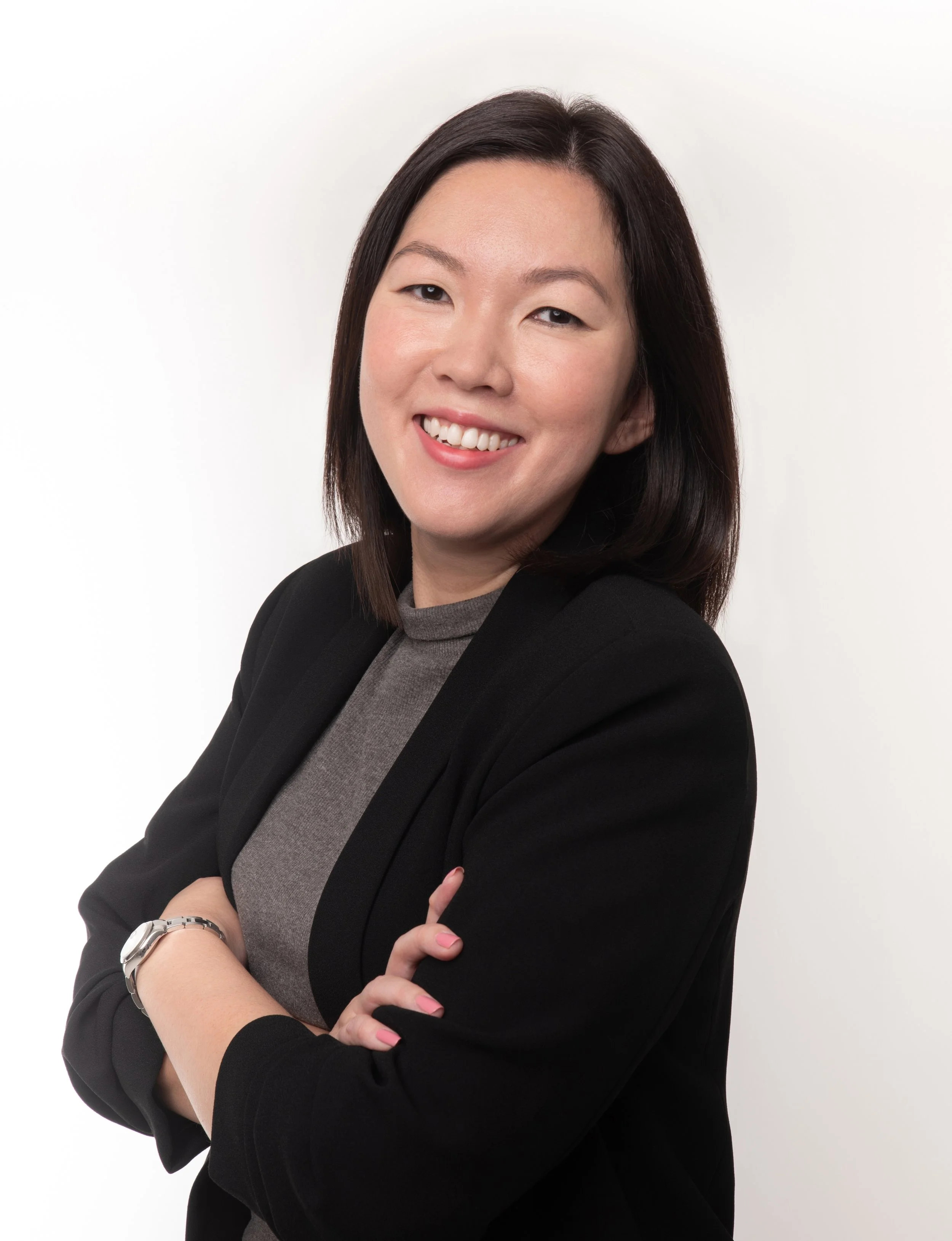
I’m Hwee Peng (she/her), you can call me Hwee (pronounce as “Hui”)
I’m the founder of the Neuro-Affirmative Network. I grew up in Singapore and moved to Perth in 2011 to start a family.
I’m also a mum to a neurodivergent son, which is where my passion for mental health, diversity and inclusion, and special needs education really began. In 2021, I was invited to join my son’s special needs primary school board, and a year later, I stepped into the role of Chairperson.
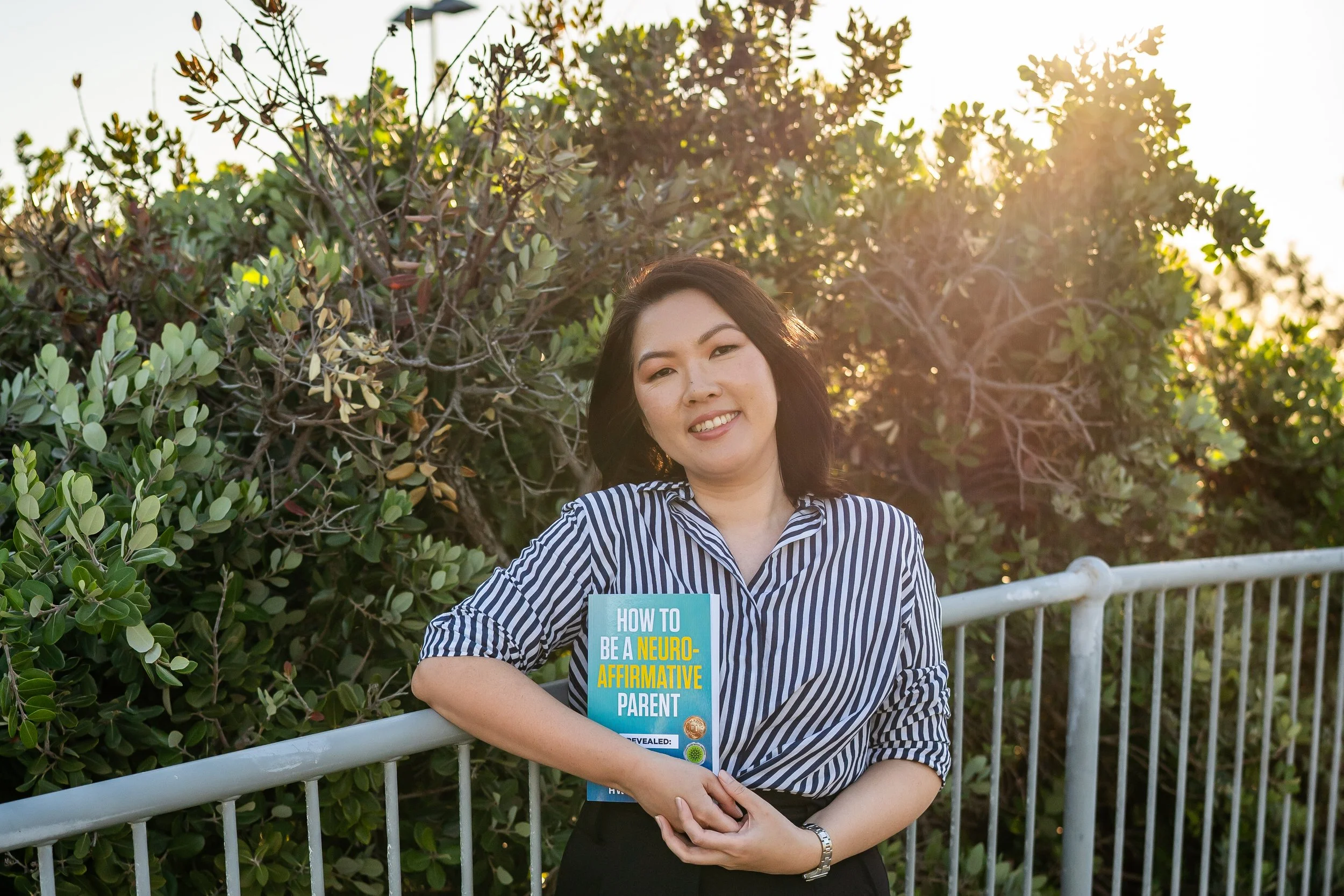
In 2024, I published my first book, How to Be a Neuro-Affirmative Parent, which has since become a three-time award winner. I was also awarded a scholarship by ADHD Works to complete the Neuro-Affirmative Certification.
Neuro-affirmative Network is awarded 3rd place, in Non-Profit Business Excellence category at national AusMumpreneur Awards 2026.
Outside work, you’ll usually find me with a good coffee, reading, writing, or dog sitting whenever I get the chance.
-
Sharing neuro-affirmative voices. Through keynotes, panels, and workshops, the Neuro-Affirmative Network brings advocacy to life by starting bold conversations, shifting mindsets, and motivating real action.
-
Celebrating Hwee’s voice as an author. A published writer whose work champions neurodiversity and inclusion, Hwee continues to inspire through powerful storytelling. With acclaimed titles already in print and new books on the way, her writing strengthens advocacy and brings fresh perspectives to conversations about difference and belonging.
-
Pattern and Path Press: amplifying neurodiverse voices. Founded as the publishing imprint of the Neuro-Affirmative Network, Pattern and Path Press reflects Hwee’s commitment to storytelling that celebrates difference. Through this imprint, she expands representation and opens new pathways for inclusive stories in literature and beyond.
What People Are Saying
"Particularly as someone who is dyslexic, I found the material so easy to read and user friendly. I only wish I had a book like this 30 years ago when my first son was born."
— Brian Bird
"Everything you have said [in the book] is so empowering, comforting and educational at the same time."
— Dr. Neera Gupta
"In reading the Bullying [chapter]; I was thinking, I needed my parents to hear this."
— Ben Vanhook
“While the book was meant for parents with neurodivergent children, I think every parent could benefit from it"
—Choo Phaik Ai
"[The book] has opened my mind to new concepts and challenge my own biased perceptions on norms"
—Sook Yee
"The power of an extraordinary speaker like Hwee lies in her ability to make others feel seen and heard. Her words carry the energy of lived truths, leaving her audience changed forever. Hwee is not just a speaker—she is a leader."
- ICON Global Conference
OUR APPROACH
-

Listen
It all begins with listening and understanding the needs of neurodiverse individuals
-

Connect
Next, we focus on practical supports for daily living and explore ways to overcome obstacles
-

Support
We create a neuro-affirmative safe space where neurodiverse identities are welcomed, valued, and understood
Advocacy & Speaking
Championing neurodiversity through education, advocacy, and dialogue
Through the Neuro‑affirmative Network, we offer talks, workshops, and consulting that challenge stereotypes, build inclusive practices, and celebrate difference as essential to growth.
Our advocacy is rooted in accessibility, respect, and practical impact. Whether addressing educators, organizations, or community groups, we bring clarity, warmth, and actionable strategies that make neuro‑affirming values real in everyday settings.
Join our community
Be the first to hear about offers, events & topics of interest when you sign-up to our community
Books
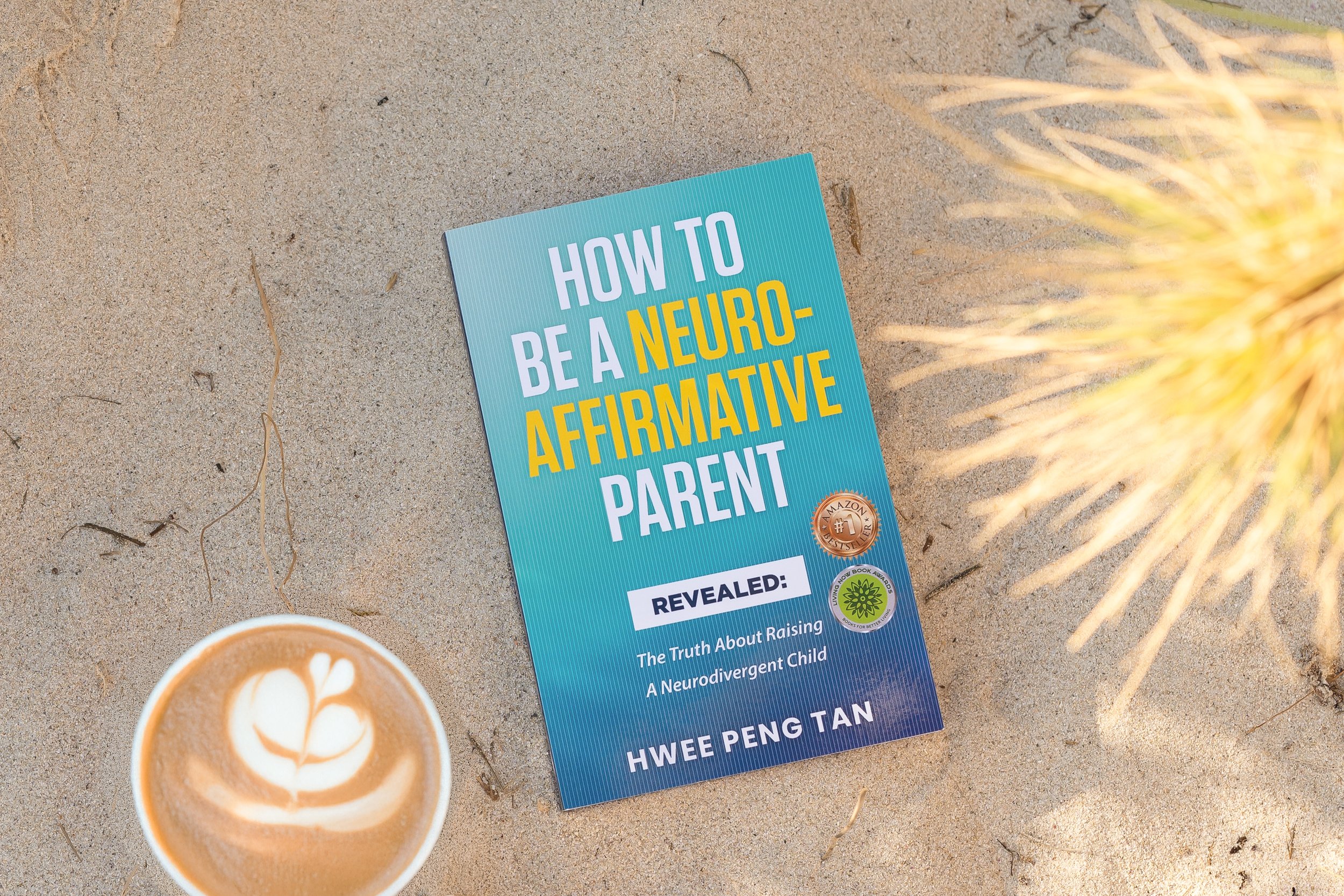
How to Be a Neuro-affirmative Parent
How to Be a Neuro‑affirmative Parent is a 3x award winning book that shares honest perspectives on the everyday ups and downs of raising a neurodivergent child. It offers science‑based techniques wrapped in compassion, helping you see strengths, nurture curiosity, and build confidence. This book feels like a friend by your side—reminding you you’re not alone and showing how small moments can spark lasting growth.
Amazon Review 4.6 stars
Goodreads 4.63 stars
“Think you know what makes a friendship neuro‑affirmative? Take the quiz and find out.”
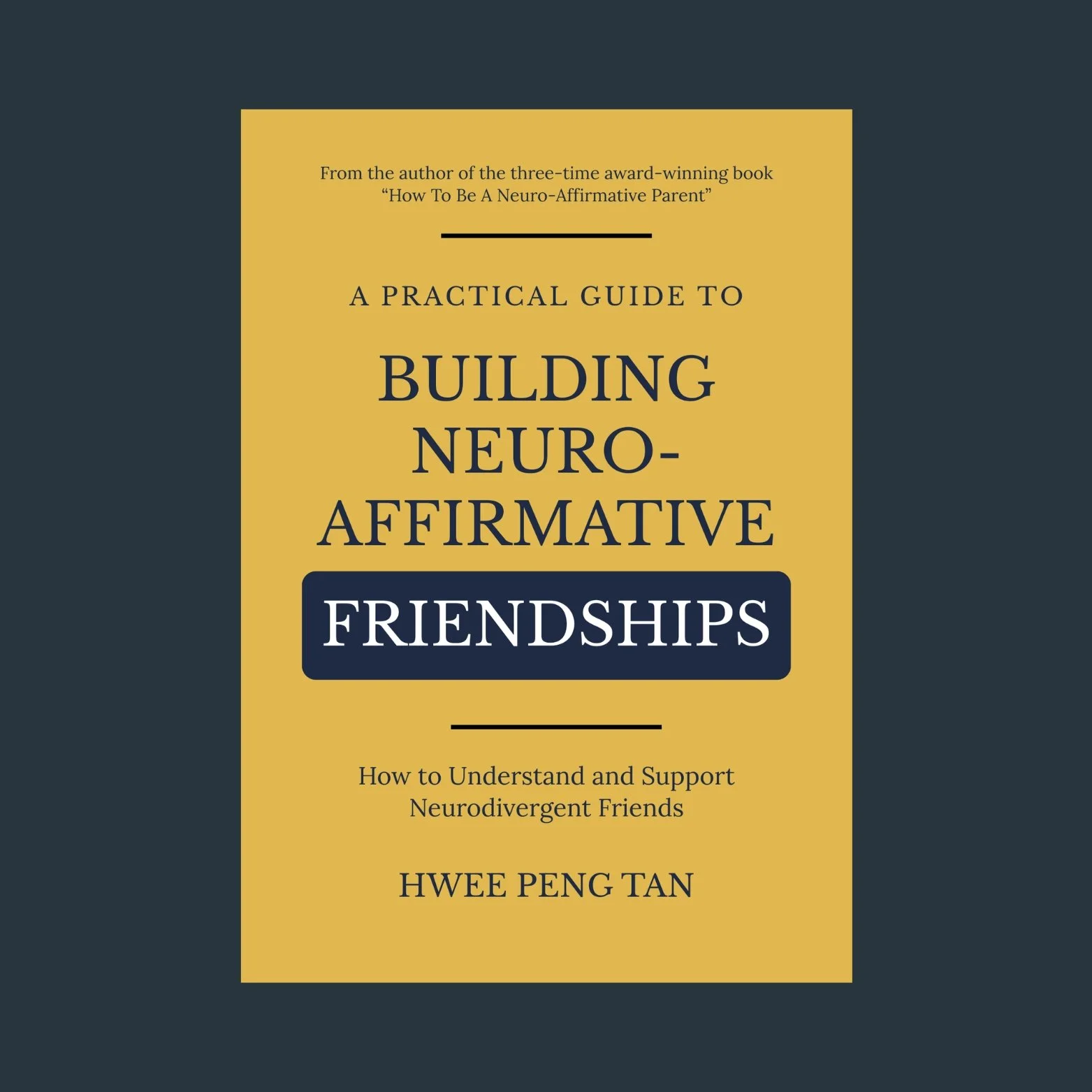
Neuro-affirmative friendship guide
This guidebook helps build friendships that truly work by understanding neurodivergent communication. You don’t need to be an expert—just willing to notice, listen, and adjust. Through everyday situations, it shows how good intentions can sometimes miss the mark and offers practical ways to make space for different needs. It’s not about perfection, but about small, steady choices that grow into lasting connection.
"A handy guide for overall communications and relationships (business & personal) which could be beneficial especially for young/developing adults as they navigate their way through life and the inherent relationships they will encounter along the way.” — Dean G., Beta Reader, Australia
Available now on Amazon Kindle and Kobo store.
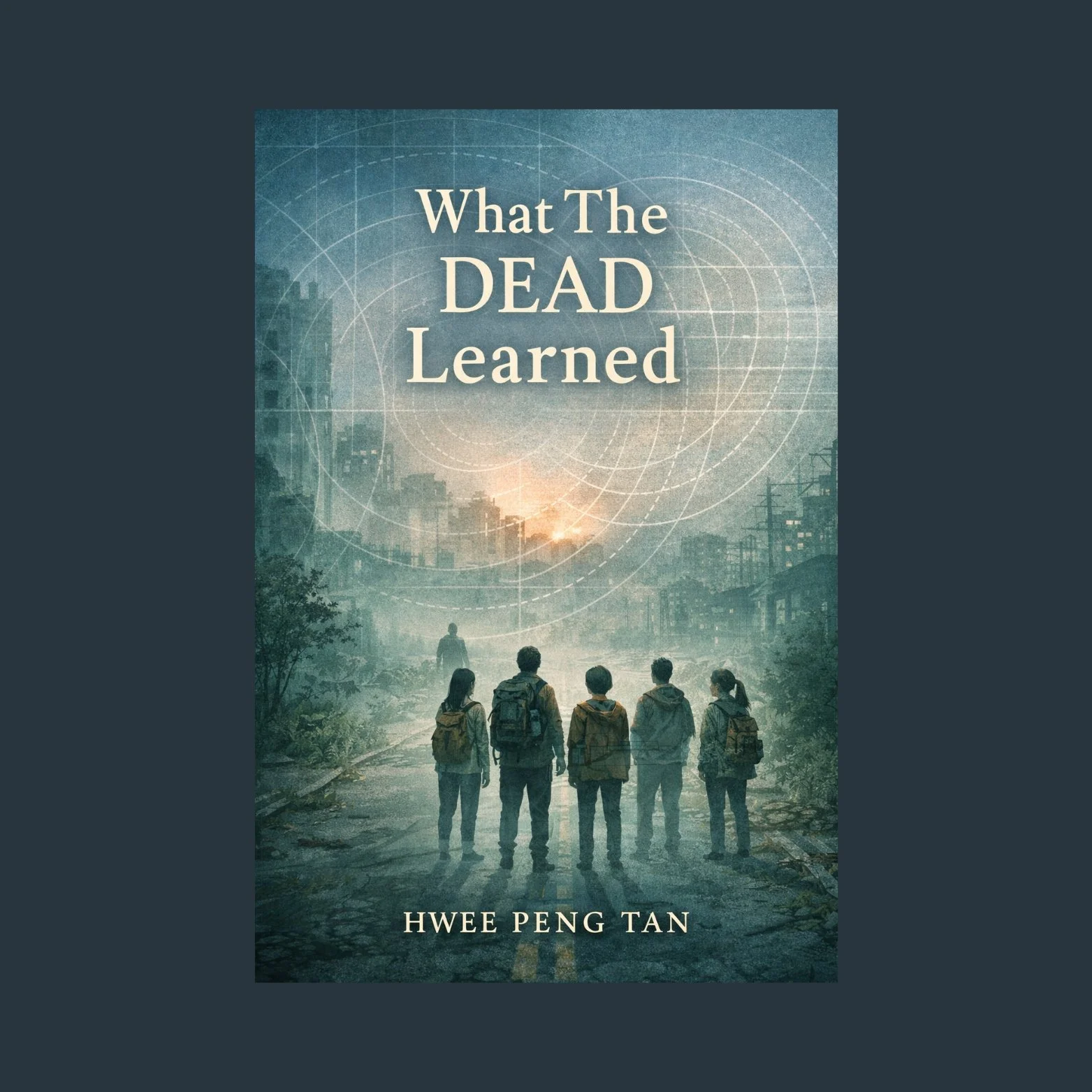
What The Dead Learned
A fictional story that explores difference, survival, and what it means to be human.
A failed cure meant to erase people from surveillance instead fractures their minds, creating a haunting new reality. Mei Lin, once told she was too different to belong, discovers her differences are the key to survival. Within the last safe settlement, whispers of obedience clash with the truth behind Ghost Protocol. As danger grows, she and her companions uncover that the dead are not mindless—and the living who cling to one way of being human may be the greatest threat of all.
Praises for What the Dead Learned
“I really enjoyed the story! I've read just about every version of a zombie story I possibly can, and I still manage to get a little surprised (sic). I don't think I've seen this exact type of story before." — Maddy D., Beta Reader, United States
“This book is a confident, purposeful opening to a larger story. It stands as a strong, thoughtful debut that sets up book two with clarity and purpose.” — Kaylee H., Special Needs Educator, United States
Available in all online leading bookstores , both Paperback and Digital
ISBN: 978-1764359085
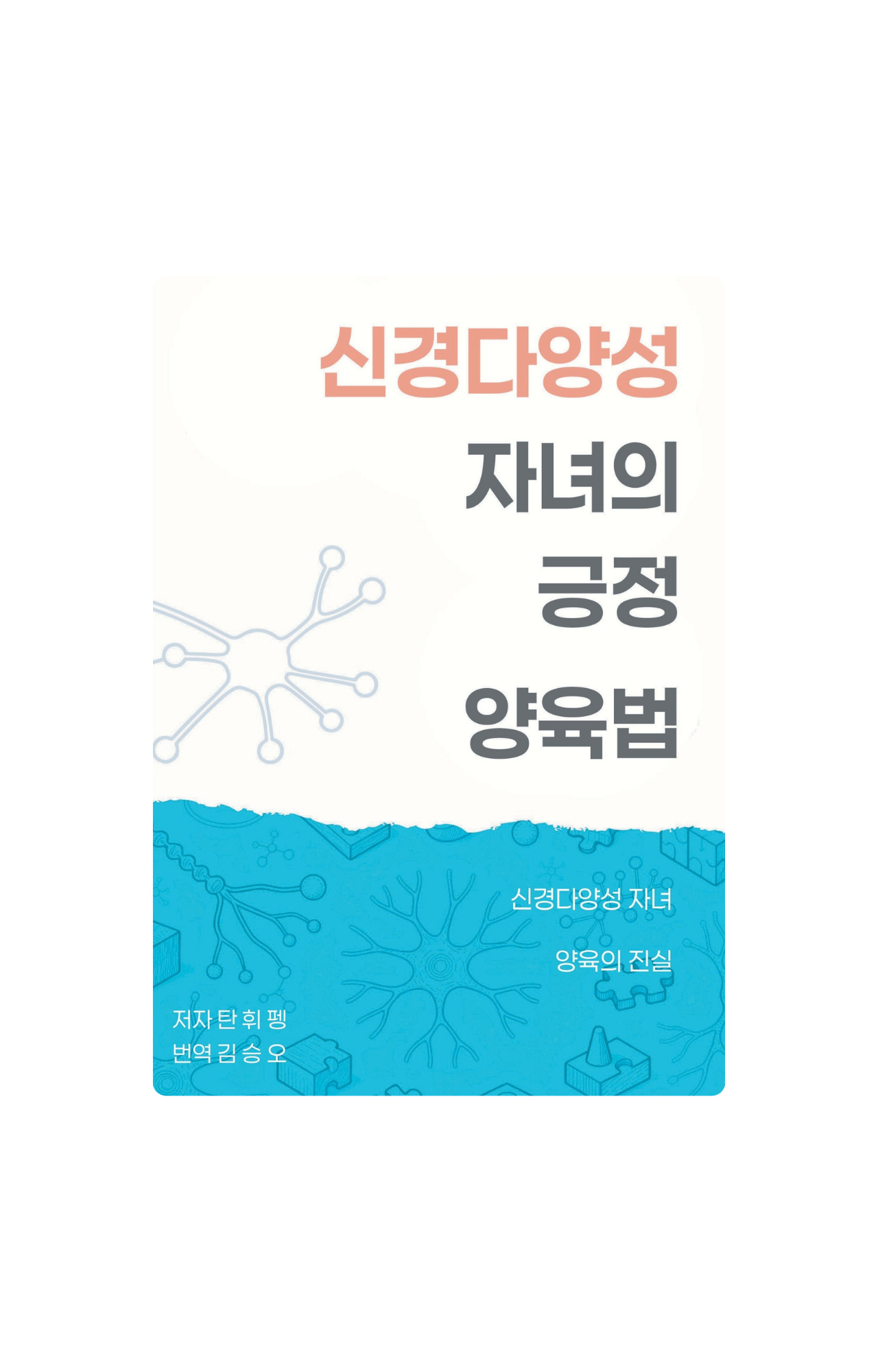
신경다양성
자녀의
긍정
양육법
How to be a Neuro-affirmative Parent, expertly translated into Korean by Kim Seung-Oh, marks a truly significant milestone. Having this work reach Korean families is a profound reminder of the universal need for neuro-affirmative approaches to parenting, and a deeply rewarding recognition that these ideas resonate beyond borders. This translation represents not just a new language, but a new community of readers whom it is an honour to serve.
Available in all leading online bookstores, Paperback copies only,
ISBN: 9781764359078




Publishing

Pattern & Path Press
Publishing with purpose, supporting every journey.
Pattern & Path Press is the publishing imprint of the Neuro‑affirmative Network. We are an author‑first indie press dedicated to first‑time, neurodivergent, and underrepresented voices.
We believe there is no single “right” way to write, publish, or succeed. Through ethical practices, accessible guidance, and collaborative support, we help authors navigate their own publishing paths—without exploitation, pressure, or conformity.
FAQs
-
Neuro‑affirmative parenting means embracing how your child’s brain works, celebrating strengths, and honoring differences. What feels confusing to you may feel natural to them. Every child deserves respect, understanding, and the freedom to be themselves.
-
A tantrum usually has a clear goal—like wanting a toy or not wanting to leave—and the person may check if their behavior is working. A meltdown is different. It isn’t something someone can control or stop on command. It’s a natural response to feeling overwhelmed, like crying when you’re deeply upset. What helps most is giving time, patience, and a calm environment to recover.
-
Most picky eaters naturally try more foods as they grow. Many kids want variety and enough to feel full. But sometimes anxiety or sensory differences make eating really hard. This isn’t a choice or a behavior problem. If food restrictions get worse, weight drops, or anxiety around eating grows, it’s important to reach out to a healthcare professional for the right support.
-
Notice what sensory experiences your child seeks or avoids—like sounds, textures, lights, or movement. Create a safe space at home with tools they love, such as fidgets, headphones, weighted blankets, or chewables. Let them wear what feels comfortable, even if it looks unusual. Sensory needs shift from day to day, so stay flexible and ask what helps them feel calm and regulated.
-
Self-care isn’t really about fancy spa days. It’s about doing the things that keep you going. That might mean prioritising sleep, eating proper meals or finally tackling that admin pile that’s been stressing you out.
Be honest with yourself about what you can manage each day. Sometimes giving 40% is actually giving all you’ve got.
And please remember, looking after yourself isn’t selfish at all. Your child genuinely needs you to be okay so you can be there for them.